Mainz (June 29 - July 1, 2023)
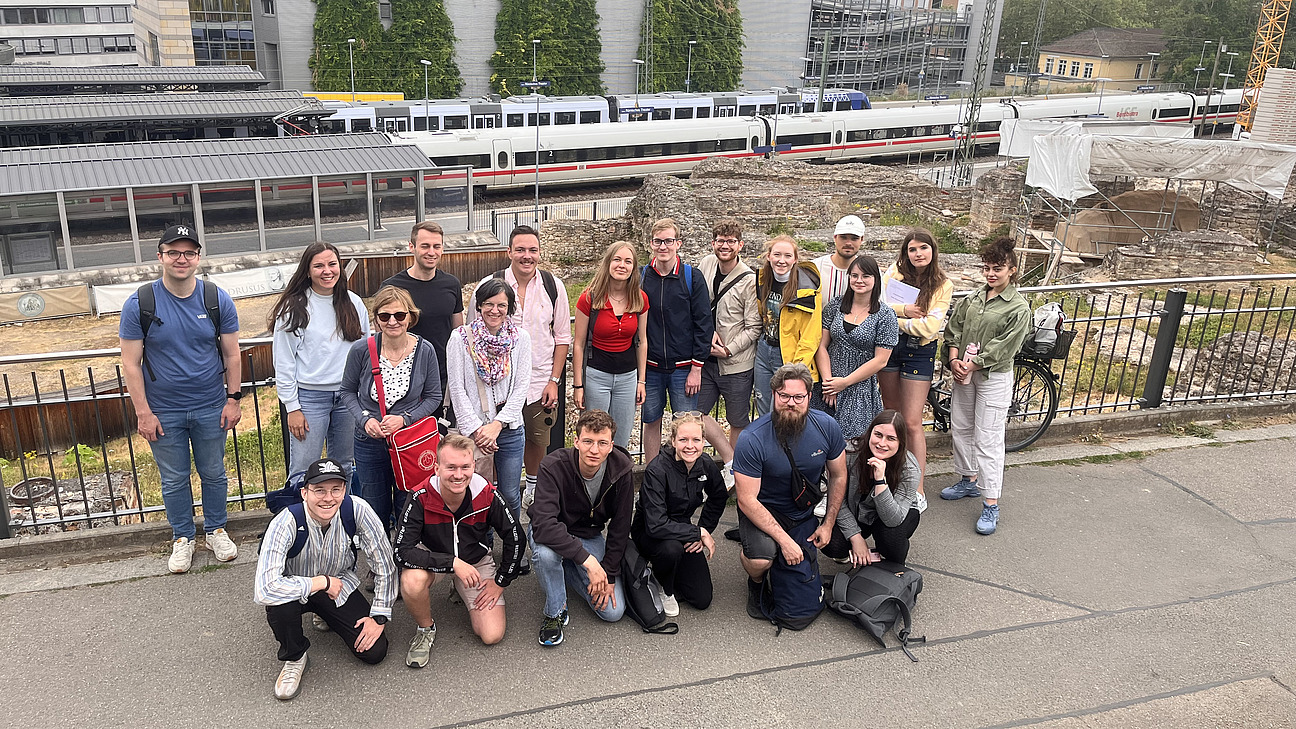
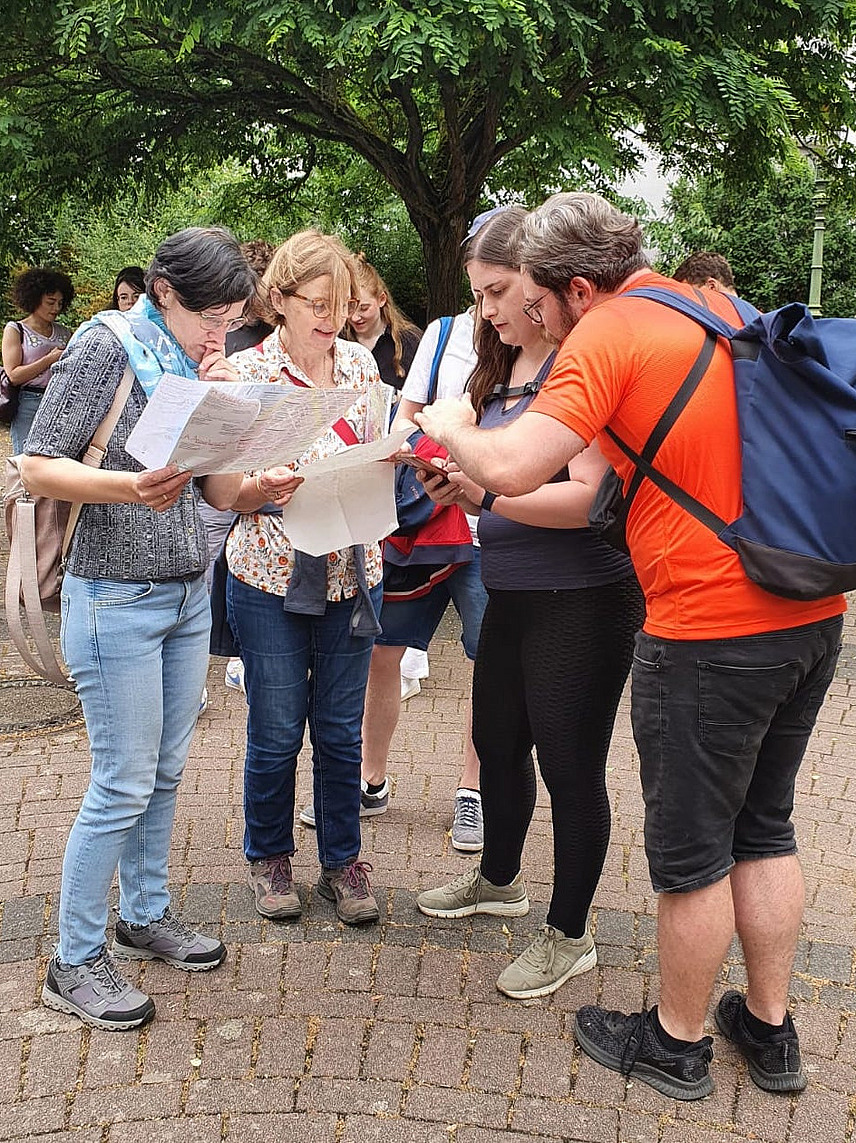
From 29.06. to 01.07.2023, Ancient History was on tour again. This time, Roman Mainz was on the excursion program. First, there was a city tour through ancient Mogontiacum with the aim of getting our bearings. With a city map and other plans, we set off in search of the preserved remains of the city wall in the area of the Kästrich between the civilian village and the legionary camp.
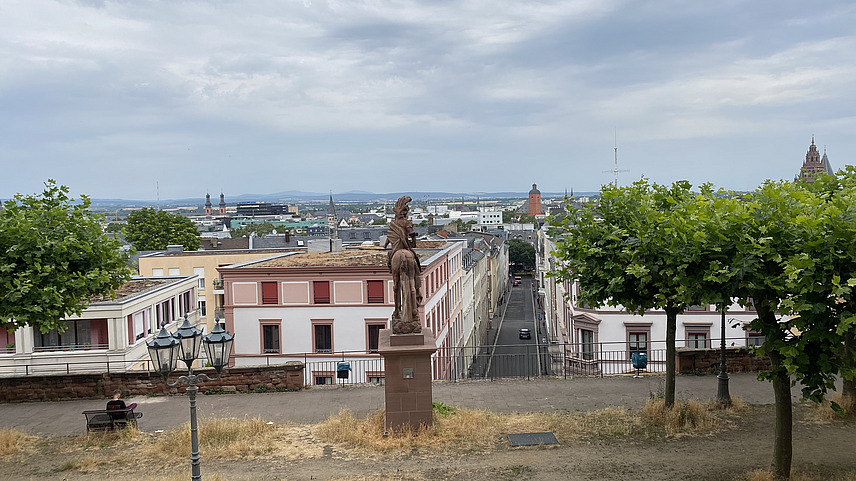
The view of the city, the Rhine behind it and the area on the right bank of the Rhine beyond was impressive. At this point, it is easy to understand why the Romans set up camp here of all places.
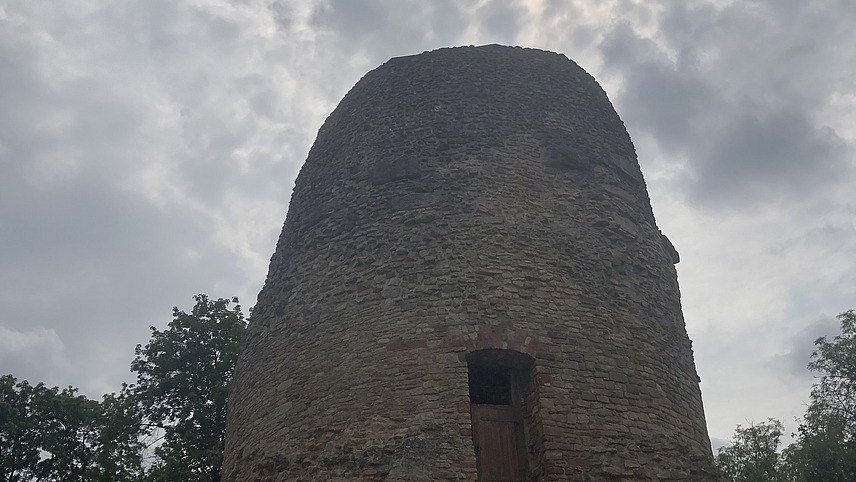
We then walked along the imaginary city wall to the Drusus Stone, the cenotaph of Nero Claudius Drusus Germanicus, son of Livia and stepson of Augustus, who died in an accident in 9 BC. Even as a ruin, the stone was still very impressive due to its sheer size.
We then continued towards the Rhine and along the old city boundary to show the dimensions of the ancient civilian settlement. Our next stop was at the Jupiter Column, the pitiful 'remains' of a replica of which we found after some effort behind the Rhineland-Palatinate state parliament. Unfortunately, the column had probably been dismantled recently. Our last stop, however, was directly opposite: the Dativius-Victor Arch, also only to be admired as a copy - the original, or rather the presumed remains, are in the Landesmuseum Mainz.
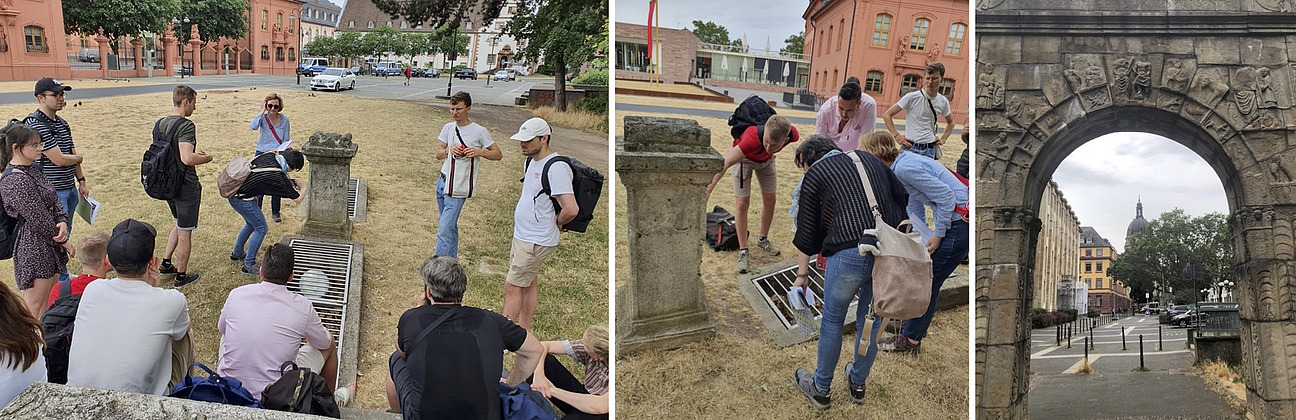
The next day began with another search for clues. This time we explored the extent of the legionary camp, which was once a double legionary camp. There is nothing left to see of the camp, only street names such as 'Römerwall', 'Römerlager' or 'Drususstraße' are reminders of the camp and provide clues to its location. Although there was not much to see, we had long discussions about camp and legion life.
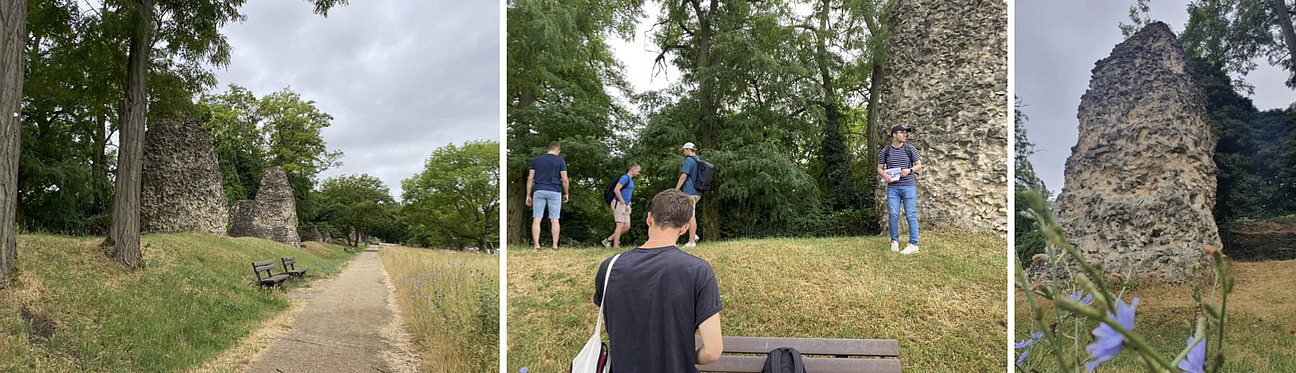
From the camp, the search continued to the so-called Roman stones in the Zahlbach valley. These stones are the remains of an aqueduct that supplied the camp with water. Some of the students were very enthusiastic about the original construction of the aqueduct, which led to another heated discussion. After getting an idea of the location and dimensions of the aqueduct, we tried to find the remaining pillar remains marked on the map on the way back, unfortunately in vain. The stones standing on the university hospital were located on a construction site to which we were unable to gain access despite our charm offensive.
In the end, we had to abandon our search. We had a lunch break and a subsequent appointment at the currently closed and relocated RGZM (Rheinisch-Germanisches Zentralmuseum, now the Leibniz Forum for Archaeology). The Director General, Prof. Dr. Alexandra Busch, gave us a personal tour of the archive and work rooms. She had her staff explain to us many details about the technology and work with remains, such as the treatment of found objects, the reconstruction of jars and other containers and the creation of casts and copies. She also gave us an insight into the concept of the museum's new permanent exhibition, which is currently under construction and will focus on fundamental human issues from the perspective of archaeology. Some of the pieces were already in place. Ms. Busch gave us some really exciting and exclusive insights into the work of the museum.
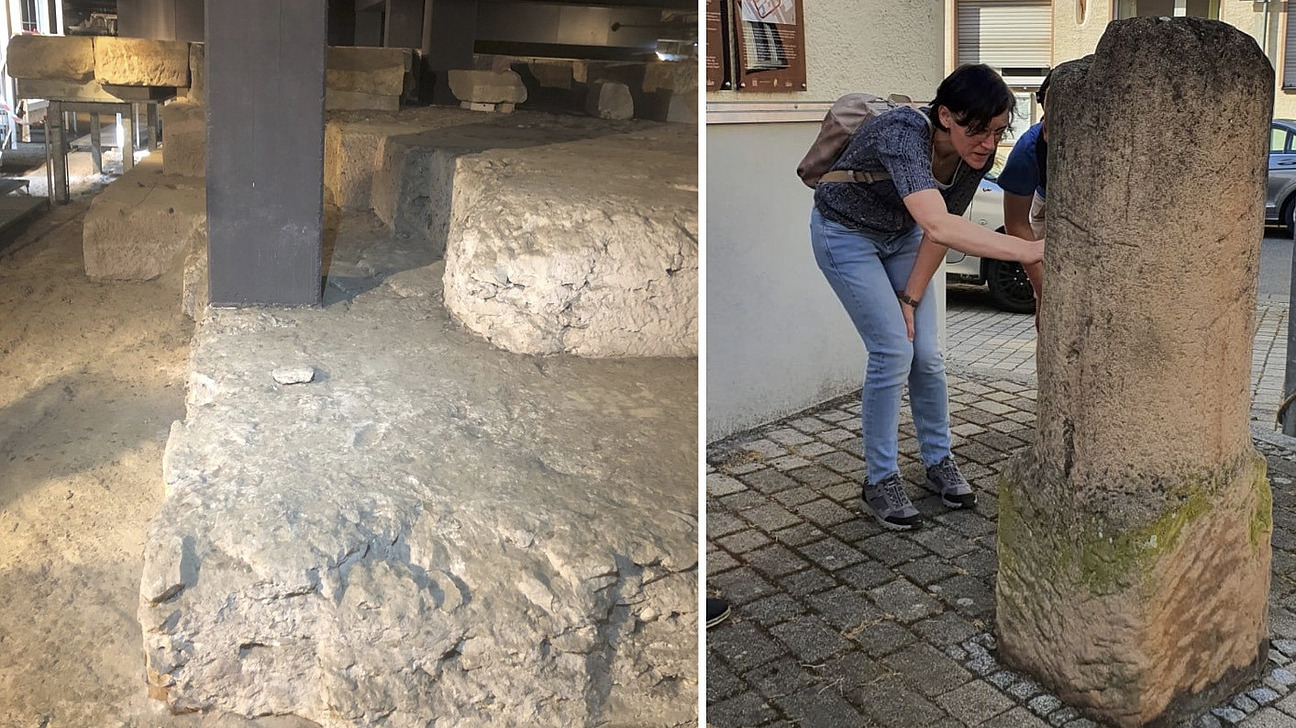
After the visit to the Leibniz Forum, we had another appointment: a guided tour of the Museum Castellum (museum of local history), naturally with a focus on antiquity. The museum is located on the opposite side of the Rhine (on the right bank) not far from the area of the Roman fort and the bridgehead, politically part of Wiesbaden. There were an astonishing number of objects from the living world on display in the museum, as well as useful plans and reconstructions. The museum guide, actually the chairman of the small association, also opened the museum to us to the foundation walls of the Arch of Honor of Germanicus, which was also impressive in its weight. Finally, we found two milestones near the arch. For those who could still muster enough strength, this was a complete success. We deciphered the inscriptions. Unfortunately, one mystery remained: An inscription on the Arch of Honor of Germanicus, which we were unable to decipher or otherwise verify. Nevertheless, all in all, the day was a complete success and dinner was well deserved.
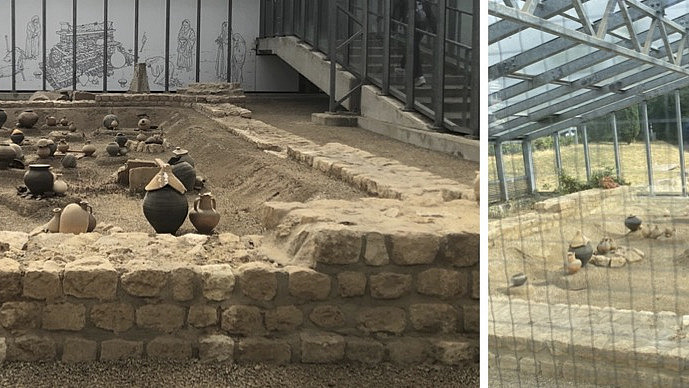
The next day - unfortunately another day of departure - we took the bus to Weisenau to the Gräberstraße. In the Bettelgasse, we looked at the remains of three graves, urns and an oven, and here too we engaged in discussions about Roman burial culture. On the way back, we stopped at the Roman stage theater before looking at the hypocaust of a residential building (copy) excavated in Schillerstraße (had been found under the adjacent parking garage).
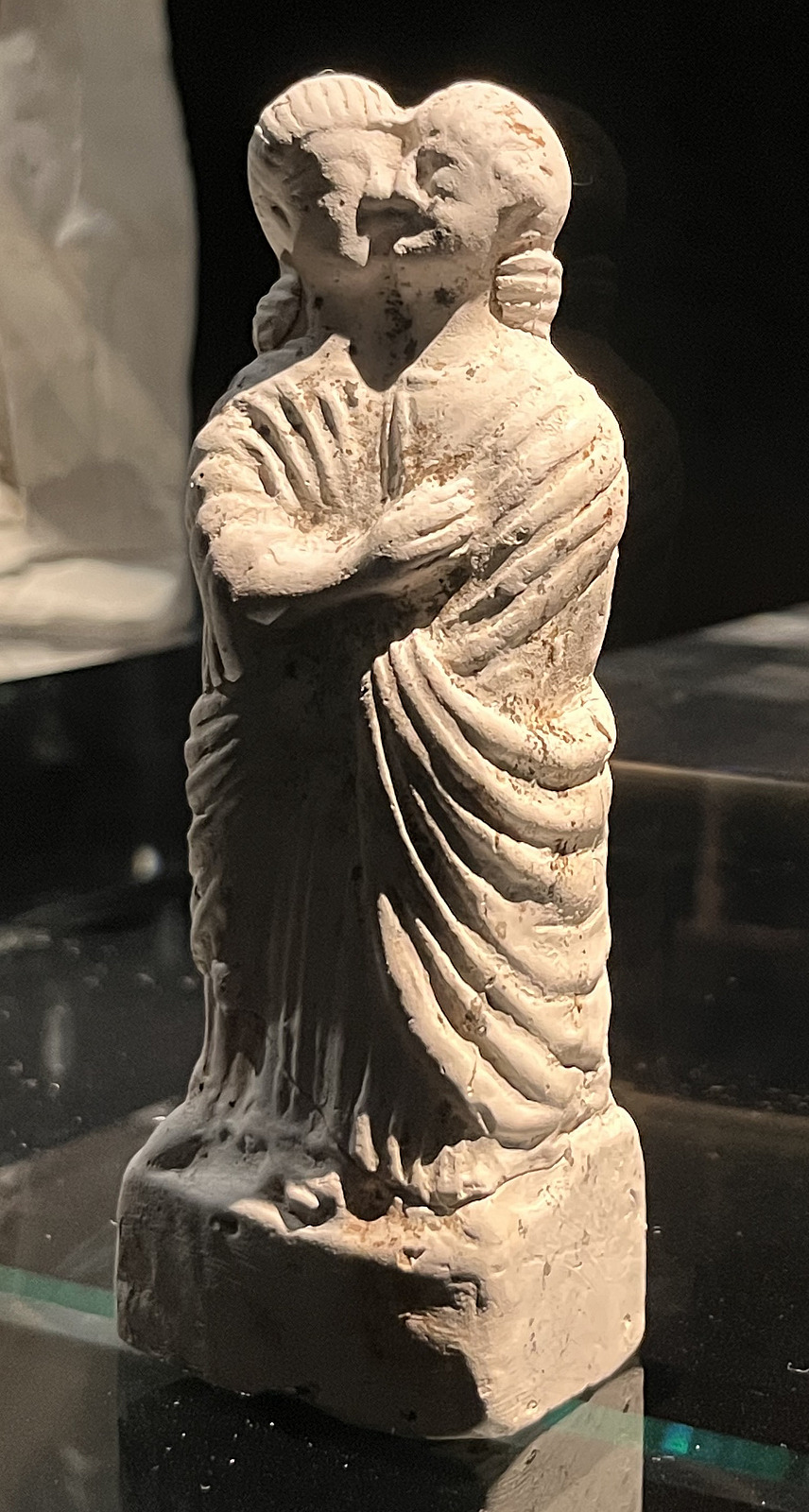
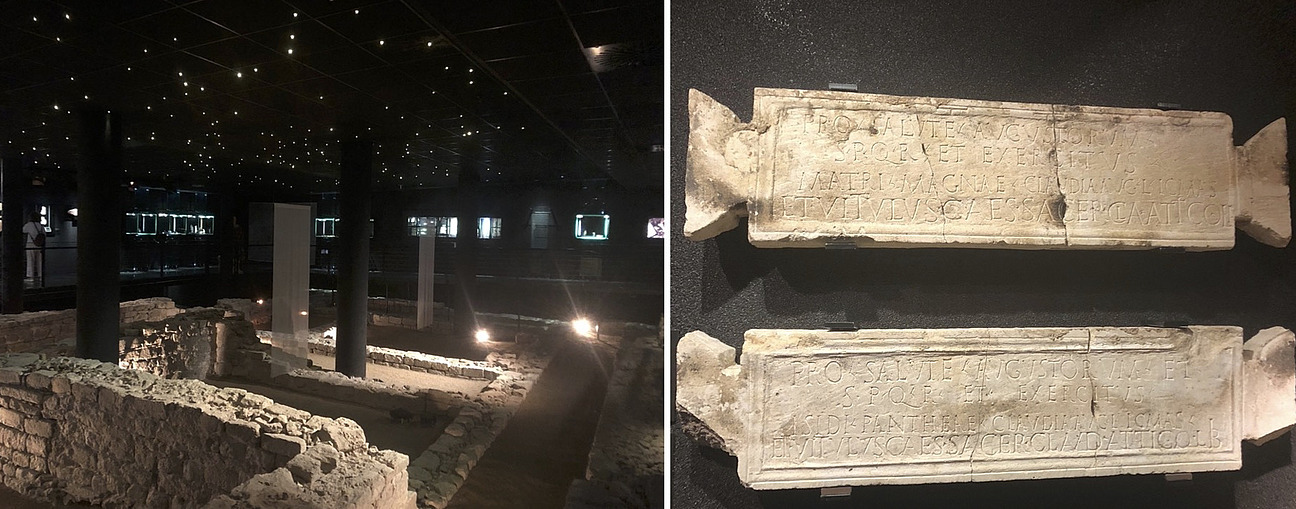
Afterwards, we had booked a guided tour of the Isis and Mater Magna sanctuary. The sanctuary was discovered during construction work on a shopping mall. The guide, a PhD student in ancient history, gave us very exciting insights into the modern exhibition. Question marks arose above all with regard to an object depicting two people embracing. It was not entirely clear whether the people were a man and a woman or two women. This mystery still needs to be solved.
After a lunch break, we set off on our last leg of the tour. We visited the Lapidarium in the State Museum, where almost all the inscriptions of soldiers stationed in Mainz are displayed. We tried to decipher and contextualize a number of these inscriptions. The students chose their 'favorite stone', whose content and depiction we then discussed together. Then, unfortunately, it was time to leave again; we had to make our way to the train station and say goodbye to ancient Mainz.
All in all, the excursion to Mainz was impressive. Even if Mainz doesn't have the wealth of buildings to offer like Trier, with an interested and alert eye you can reconstruct and discover a lot about Roman times. As always, there is plenty of room for further suggestions as well as big and small questions about Mainz in antiquity.