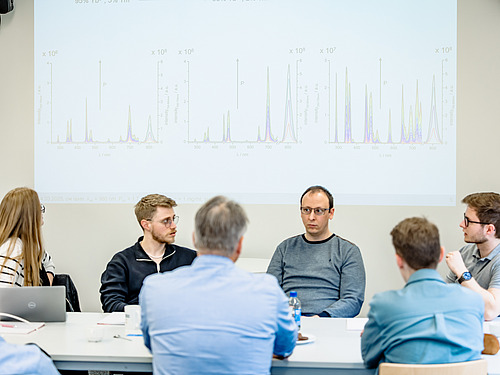
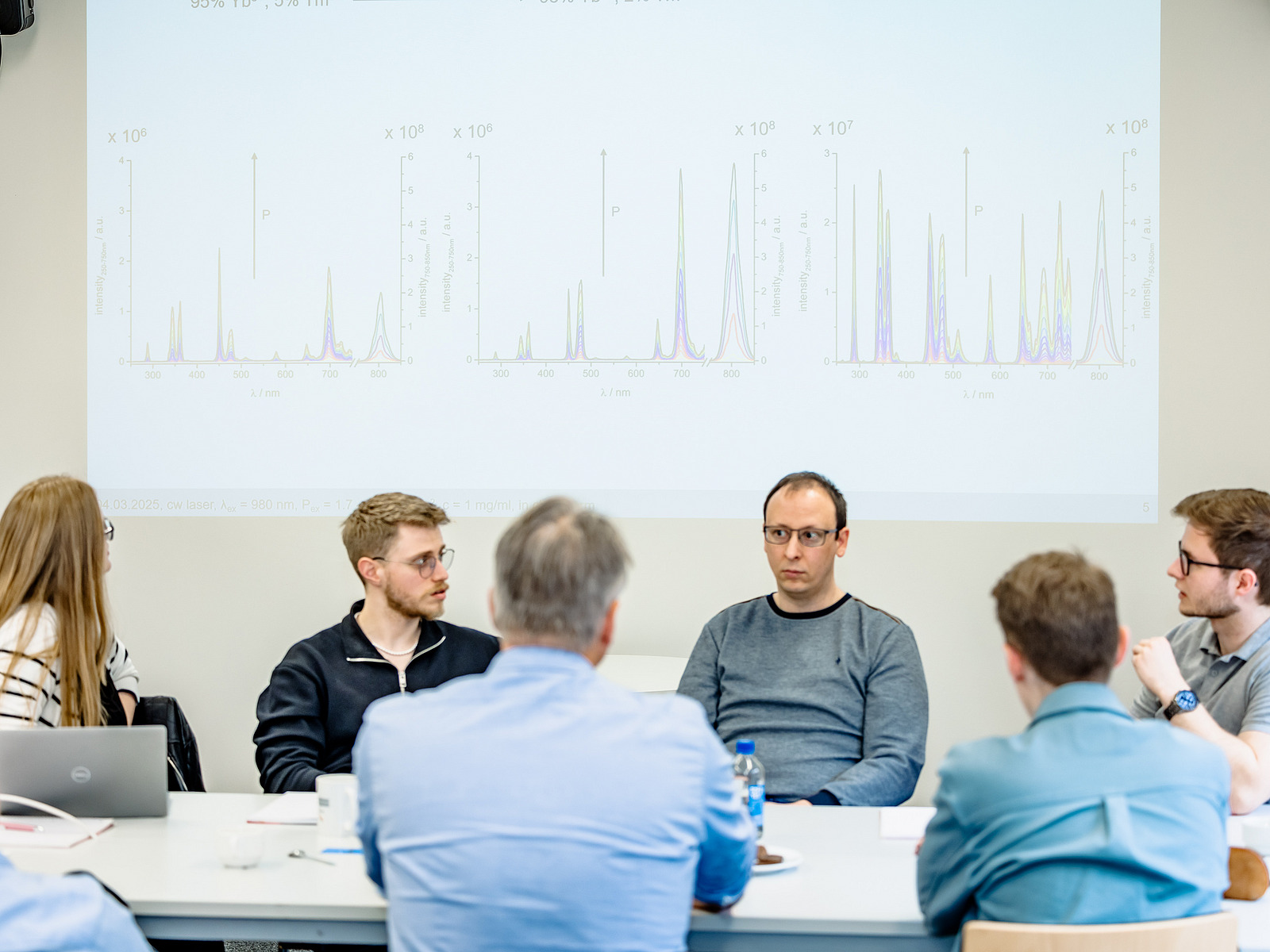
The Research Training Group 2900 “nanomaterials@biomembranes” will host its first Cluster Days on April 10–11, 2025 at the Center for Cellular Nanoanalytics (CellNanOs), Osnabrück University. The event brings together principal investigators, experts, and doctoral researchers to strengthen collaboration and accelerate publication efforts across interdisciplinary subprojects.
The two-day format is designed to foster intensive scientific exchange within the program’s research clusters. Participants will focus on developing coherent publication strategies, particularly for projects that span multiple subprojects. By working collaboratively on existing data and emerging ideas, the clusters aim to generate concrete manuscript drafts and establish shared scientific narratives.
The program begins on Thursday afternoon with a welcome session, followed by two dedicated cluster working sessions. These sessions will be organized independently within each cluster, allowing for flexible formats such as flash talks, data integration, and targeted discussions. The first day concludes with an informal networking event.
On Friday, clusters will present their draft concepts and publication strategies to the entire RTG, encouraging feedback and cross-cluster exchange. The program also includes contributions by Dr. Rolf Claessen, who will provide insights into invention disclosures and the role of patents in the academic environment. Separate sessions are tailored to principal investigators and doctoral researchers, addressing both strategic and practical aspects of intellectual property in science.
With this new format, the RTG aims to enhance scientific output, strengthen interdisciplinary collaboration, and support doctoral researchers in advancing their thesis projects. The Cluster Days are expected to become a central element of the program’s collaborative research culture.