
In the workshop, we will discuss, on the one hand, cartographic intention and meaning (including map versus text) and more broadly, the role of mapping in social science research especially with regard to migration. On the other hand, Philippe Rekacewicz will introduce basic elements of experimental as well as sensorial/sensory mapping methodologies and practice, which we will then implement in a mapping exercise on our own research topics.
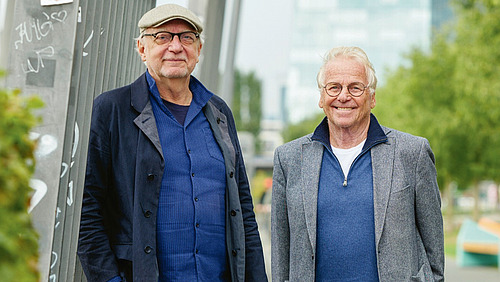
Philippe Rekacewicz is a geographer and cartographer with a keen interest in the relationships between cartography, art, science, and politics. From 1988 to 2014, he worked at Le Monde diplomatique and headed in parallel the cartographic department of GRID-Arendal in Norway, a delocalized office of the United Nations Environment Program (UNEP). Since 2013, he has published experimental mapping projects on the website http://visionscarto.net/a-propos. Since 2022, he has worked as an associate researcher in the research project Embodied Ecologies at the University of Wageningen, where he has employed sensorial cartography, a mapping approach that captures not only the physical landscape but also the emotions, perceptions, and sensory experiences tied to specific spaces.