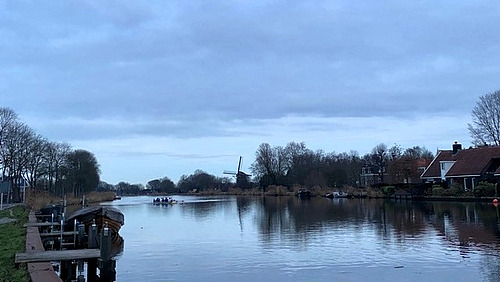
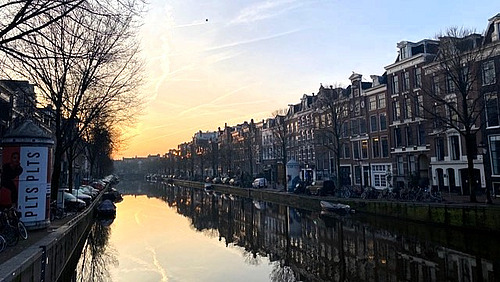
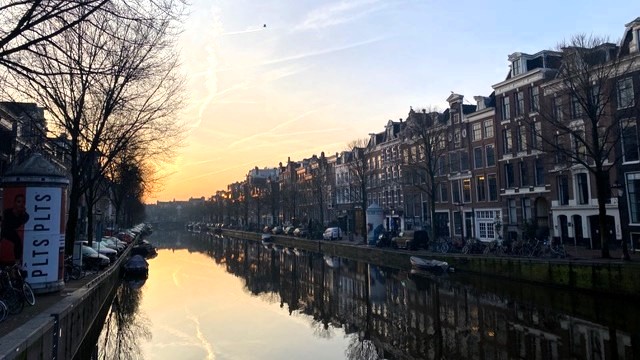
The C5 project investigates the production of the relation climate change and migration – as a potential migration form with a quite unclear future. Aurora A. Sauter contributes to this project with her dissertation on climate im/mobilities in the Global North contexts, the USA and the Netherlands. Both countries host many researchers on climate change and migration but are less their case studies although they face many climate change risks. Aurora tries to understand practices of maintaining living as part of dealing with the production of climate change and migration and its global similarities, differences in resources to adapt and thus (re)production of inequalities. Last year, she conducted fieldwork along the east coast of the USA, specifically along the Gulf of Maine. In Maine, she encountered oyster farmers, participated in coastal meet-ups on climate change and spoke with residents who more or less worried about maintaining living along the coast. Now, Aurora is again on the road but changed from driving a car to riding a bicycle: In the following months, she tries to understand how the Dutch maintain their livability and living in times of rising sea levels due to climate change - a threat even to the Dutch super infrastructure like the Oosterscheldekering.
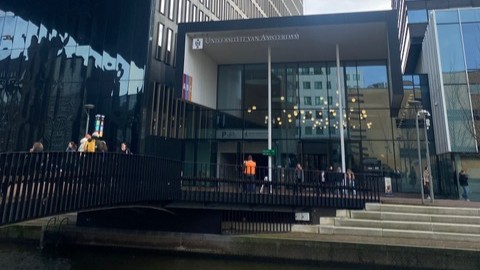
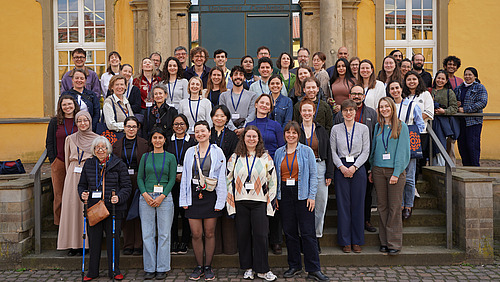
During her time in Amsterdam, Aurora will be a visiting scholar at the University of Amsterdam. She is thankful to Floris Vermeulen who welcomed her last week. She is looking forward to join temporarily the Governance and Inclusive Development Department led by Prof. Maggi Leung who also co-leads a Work Package of the project Climate Resilience in diverse African contexts - Co-creating knowledge∞action networks. Her first encounter with the colleagues at the department and in the field was at the Just International Development Forum 2026. The forum brought together researchers from different disciplines and diverse research fields. For example, in a session on migration labor, care and gender, social actors, academics and labor union actors jointly talked about ‘collaborations between researchers and meso-level social actors in Europe.‘ Two women shared openly their experience as undocumented domestic care workers with all the harm, violence and insecurities and their path to unionize and protest: we are indispensable, never again invisible. In a plenum session, Aurora pitched alongside many others her dissertation project. Another highlight was the documentary The Miracoulous Transformation of the Working Class into Foreigners in the evening; discussed by Yasemin who works for Fairwork and a Masterstudent reflecting together on racializing practices and migrantizing categories and asking why history repeats.
After this inspiring start, more exciting weeks to come!