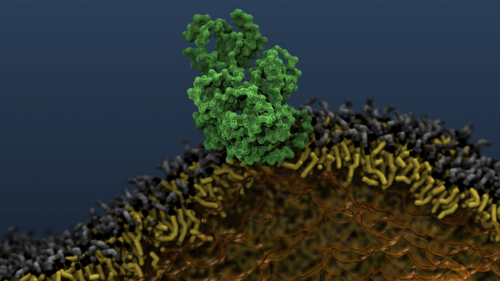
Finally back in presence: SFB symposium in the Botanical Garden

The final symposium of the Collaborative Research Centre 944 "Physiology & Dynamics of Cellular Microcompartments" took place in Osnabrück from 21 September to 23 September 2021 - largely in person, thanks to a well-thought-out hygiene concept.

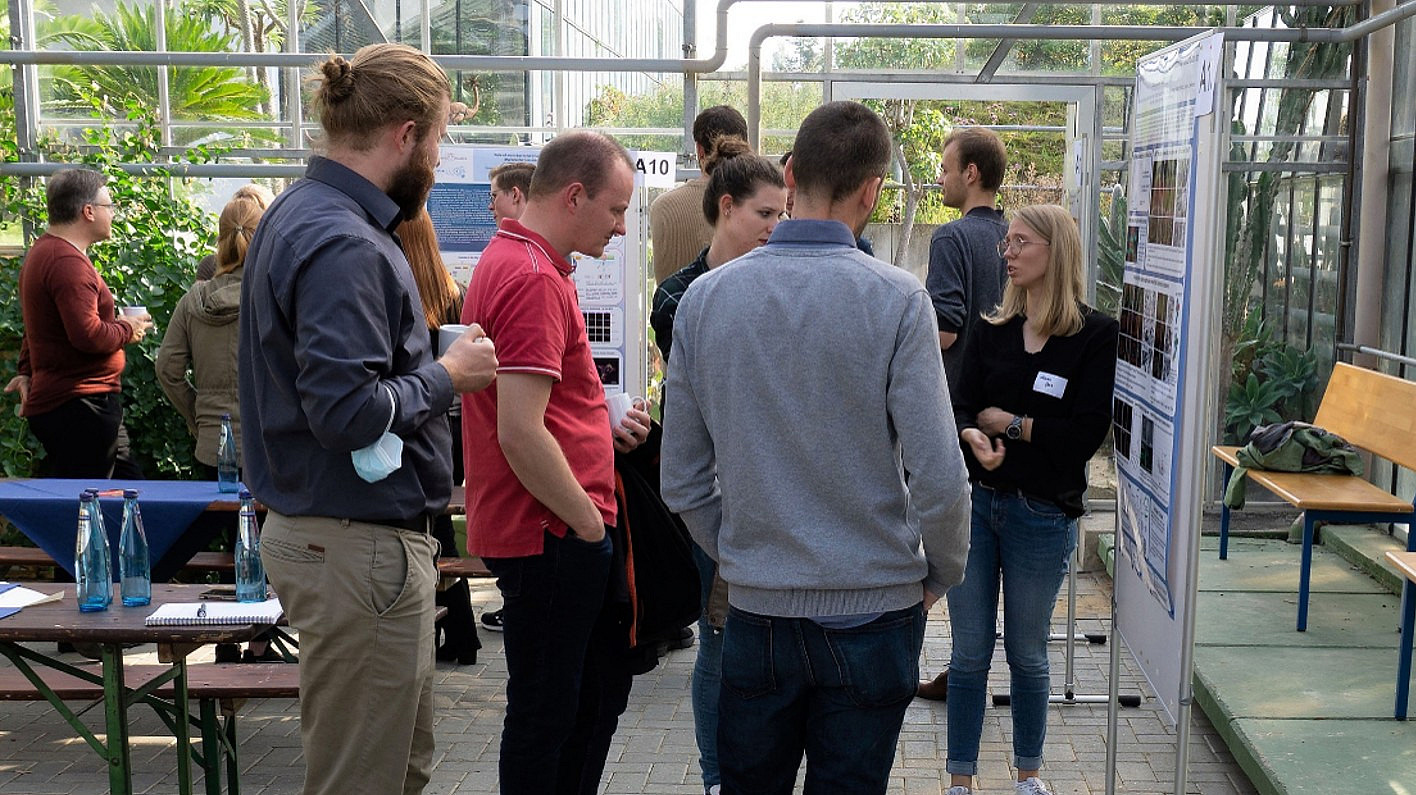
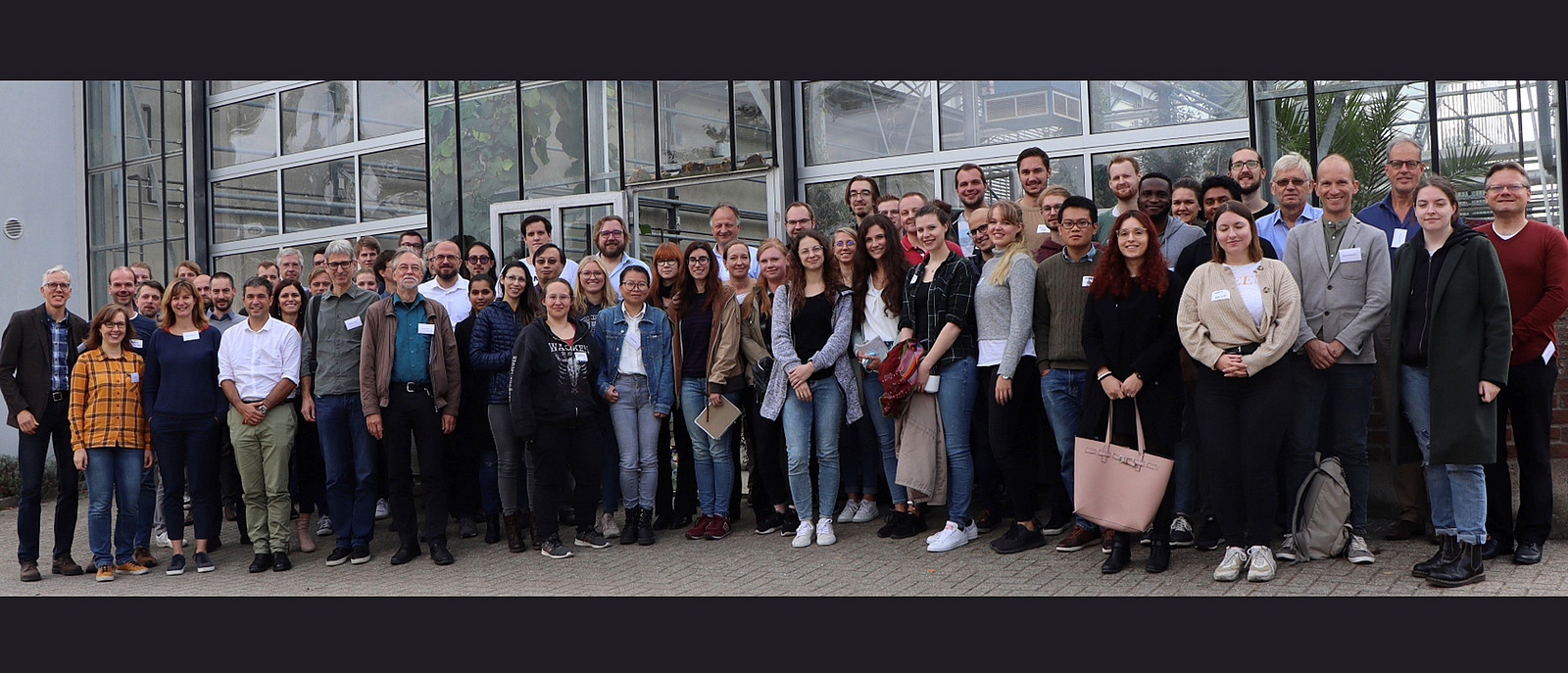
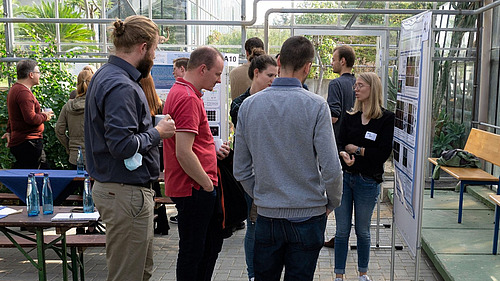
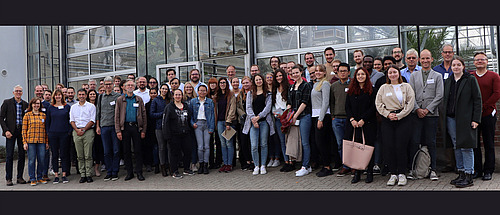
After twelve years, the last funding period of the Collaborative Research Centre 944 will end in December 2022. Now the members came together once again for a conference. Originally planned as an online-only event, the declining incidence of corona and a corresponding hygiene concept made it possible to hold a hybrid event at short notice: around 70 vaccinated participants came together in the Bohnenkamphaus in the Botanical Garden to discuss their research topics, and another 40 joined online.

The organisational team led by Dr Florian Fröhlich was able to win the Berlin biophysicist Prof. Dr Peter Hegemann for the opening lecture - who was awarded the renowned Lasker Award just a few days later. Hegemann had accompanied the review of the Collaborative Research Centre during the first two funding periods in the Senate of the German Research Foundation (DFG) and championed the Osnabrück location. He was also one of the initiators of the construction of the CellNanOs research building and was very impressed during a guided tour.

In the course of the symposium, a total of 25 speakers presented their results in talks, 10 of which were online and 15 on site. In addition, there were poster presentations by 30 PhD students associated with the Integrated Research Training Group (IRTG) of the Collaborative Research Centre.

Feedback on the symposium was extremely positive, according to those responsible. Above all, the long-awaited return to scientific discourse in presence was emphasised.
Related news

Kerstin Bartscherer is standing in front of a blackboard and smiling at the camera
© private

The secret recipe for tissue healing: Prof. Dr. Kerstin Bartscherer on regeneration and cell therapy

How can tissue regrow without scarring? How can stem cell research be put into practice? Prof. Dr. Kerstin Bartscherer talked about this in our university's "UOS asks questions" series.

Conceptual illustration of nerve cells with glowing connection nodes in an abstract dark space, high-resolution 3D illustration
© whitehoune | adobe.stock

Tracking down the causes of Alzheimer's disease: New research project

A team led by neurobiologist Prof. Dr. Roland Brandt is investigating how harmful tau oligomers are formed - and how their formation can be specifically stopped in order to develop new therapies against Alzheimer's and related diseases.

Schematic representation of a cell membrane consisting of elongated, structured structures
© Jennifer Sapia

Bioanalytical chemistry: Start of new project to research fat molecules

How do human cells produce fat molecules and how is this production regulated in cells? This is the subject of a new research project of the Bioanalytical Chemistry division, which was launched on April 1.

A woman wearing glasses and with long hair is sitting at a desk in front of a group of people listening; they are putting their hands up
© Armand B/peopleimages.com | stock.adobe.com

Women in Science: Networking symposium for members of Collaborative Research Centre 1557

Under the motto “broaden your network and horizon”, the 12th “Women in Science” symposium took place in Osnabrück on March 5 and 6. The conference was organised by Prof. Dr. Kerstin Bartscherer, Dr. Lena Tveriakhina and Prof. Dr. Bin Qu.