Behavioural Biology
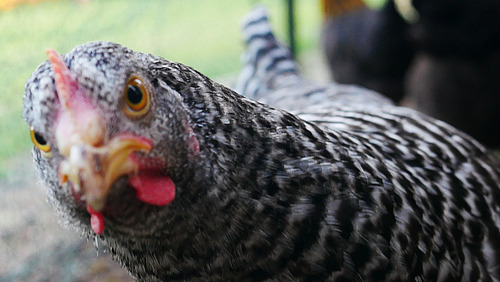
The Behavioural Biology division, led by Prof. Dr. Chadi Touma, researches molecular mechanisms of stress susceptibility, resilience and animal welfare. A wide range of animal species are investigated, from laboratory mice to farm animals to zoo and wild animals.
Molecular mechanisms of stress-related diseases
Affective disorders such as depression affect many people and are among the most debilitating psychiatric illnesses. However, their biological basis is still poorly understood and treatment options are often inadequate. To better understand the biological basis of these stress-related disorders and thus create starting points for new therapies, we develop and characterise clinically relevant animal models of innate emotionality and stress reactivity. Our selectively bred mouse lines replicate symptoms of different subtypes of depression at the behavioural, hormonal and physiological levels. With our research, we aim to identify new target structures for the diagnosis and treatment of affective disorders, such as specific metabolic or immunological changes.

Evaluating methods of laboratory animal science for improving animal welfare
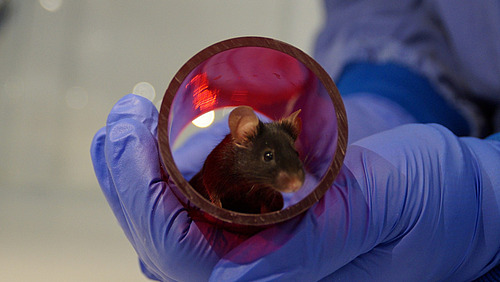
Laboratory mice are the most commonly used animal species in biomedical research. One of our research approaches aims at improving their welfare. Only when laboratory animals are in good health, the experimental data obtained can provide relevant insights for humans and animals. In order to scientifically analyse the welfare of a laboratory mouse, we examine its behaviour, physiological changes, such as the release of stress hormones, and changes in facial expressions as markers of subjective pain. This enables us to scientifically evaluate methods used in laboratory animal science, such as different blood sampling techniques, and improve them according to the 3R principle.
Improving animal welfare in livestock farming
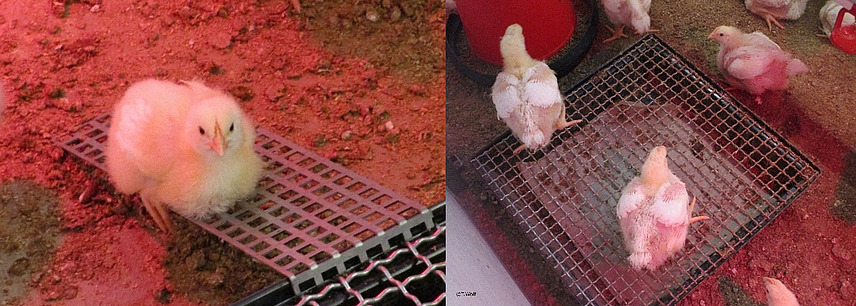
In Germany, millions of chickens and turkeys are raised each year for consumption and egg production. Most of these animals live in closed barns with floor housing. We investigate the welfare of animals in different housing systems and the influence of certain management procedures through behavioural observations and the non-invasive assessment of stress hormone metabolites from the animals' faeces. With our studies, we aim to evaluate factors that can improve animal welfare in poultry housing and herd management.

The welfare of wild animals in zoological gardens
Zoological gardens serve as recreational spaces, but they also make an important contribution to education, research and species conservation. This raises the question of how to ensure and improve the welfare of all animal species kept in zoos. In our studies, we use behavioural biology and stress physiology approaches to record, for example, how different enrichment or feeding measures affect the welfare of the animals.