Biodiversity & Landscape Ecology
The Biodiversity and Landscape Ecology division, led by Prof. Dr. Thomas Fartmann, investigates the effects of land use/climate change and disturbances on biodiversity. Forthermore, it focuses on monitoring species diversity and restoring habitats.
Importance of biodiversity research
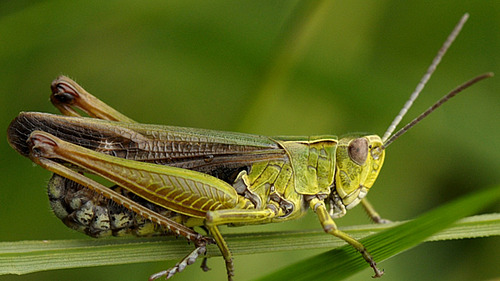
Biodiversity encompasses the diversity of all living organisms and ecosystems on Earth. Since this natural wealth forms an indispensable basis for many of the resources we use, society has a great responsibility to preserve it. However, the increasing loss of species worldwide has led to profound changes in our ecosystems. The Biodiversity and Landscape Ecology division investigates the effects of environmental changes on flora and fauna. Our studies range from vertebrates to insects to plants, thus covering various levels of the food chain. Due to the very specific environmental requirements of many species, valuable information about the state of our ecosystems can be derived from the composition of biotic communities.
Biodiversity caught between land use and climate change
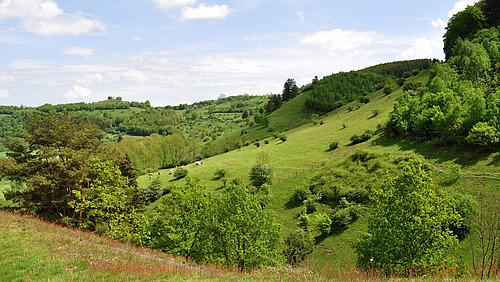
The transition from traditional to industrial use of the cultural landscape has led to a large-scale loss of habitat and species. Today, many species are confined to a few refuges that lie like islands in an otherwise intensively used landscape. Since the end of the 20th century, climate change has further threatened their survival. Our studies show that the occurrence of species-rich communities in fragmented landscapes depends on the quality, size, and connectivity of habitats. However, due to the limited availability of suitable habitats in today's cultural landscape, many species lack the opportunity to respond to climate change by shifting their range.
A roadmap for preserving biodiversity
Sustainable conservation strategies are needed to counteract the current loss of biodiversity. Our research is therefore focused on developing measures to preserve and restore species-rich habitats.