Zoology
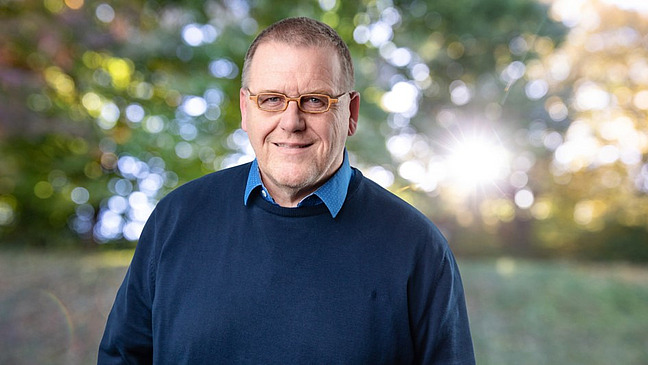
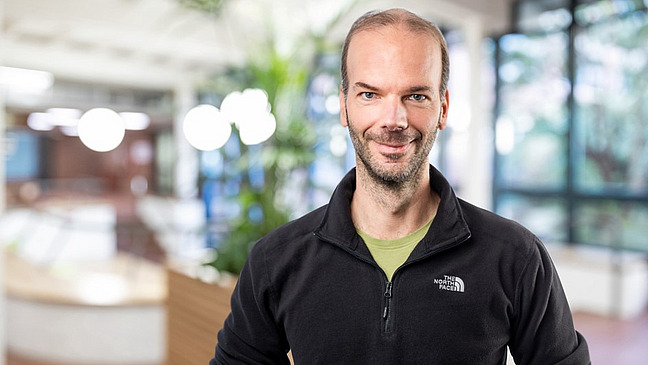
The Zoology division, led by Prof. Dr. Achim Paululat and PD Dr. Heiko Harten, researches the genetic and molecular causes of congenital organ defects. The team is particularly interested in genes that ensure cell function. One area of research focuses on intracellular membrane systems and human heart disease, which are ‘recreated’ and analysed in fruit flies.
Translational biology - of men and flies
In the Zoology division, we study fruit flies (Drosophila melanogaster) to better understand hereditary diseases. Seventy percent of all human genes are also found in the genome of a fly. And although humans and flies are very different, at the cellular level, the genes of the fly function in exactly the same way as those of humans.
And flies, just like us, can have hereditary diseases that impair the function of the heart, the ‘kidneys’ or the sensory organs. Cardiac arrhythmia, lack of sperm motility or failure to eliminate toxins are problems that can affect flies just as much as humans. The Zoology division researches the genetic, molecular biological and cellular basis of tissue and organ development. In this way, we are attempting to bridge the gap between basic research and clinical application.
We have the most modern examination methods at our disposal
Whether human heart tissue or a fly's heart: today, we work with our electron microscopists to produce three-dimensional images of heart cells at the highest possible resolution. It is only thanks to such state-of-the-art methods that it has been possible, for example, to discover mitochondrial damage in TMEM43 heart patients and in flies carrying the same hereditary disease. Our mass spectrometric, molecular and imaging research on this ARVC Type 5 cardiomyopathy Drosophila model thus helps to understand diseases and develop long-term measures for alleviation or cure.
Teaming up with other research institutions
Modern research requires a very broad spectrum of methods and teamwork across disciplines and locations. In our DFG-funded research projects, we collaborate with colleagues from Kiel, Manchester, Münster, Marburg and Bielefeld, among others. We conduct our clinically relevant studies in cooperation with the Heart and Diabetes Centre in Bad Oeynhausen.