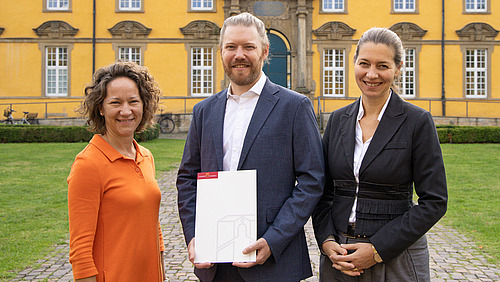
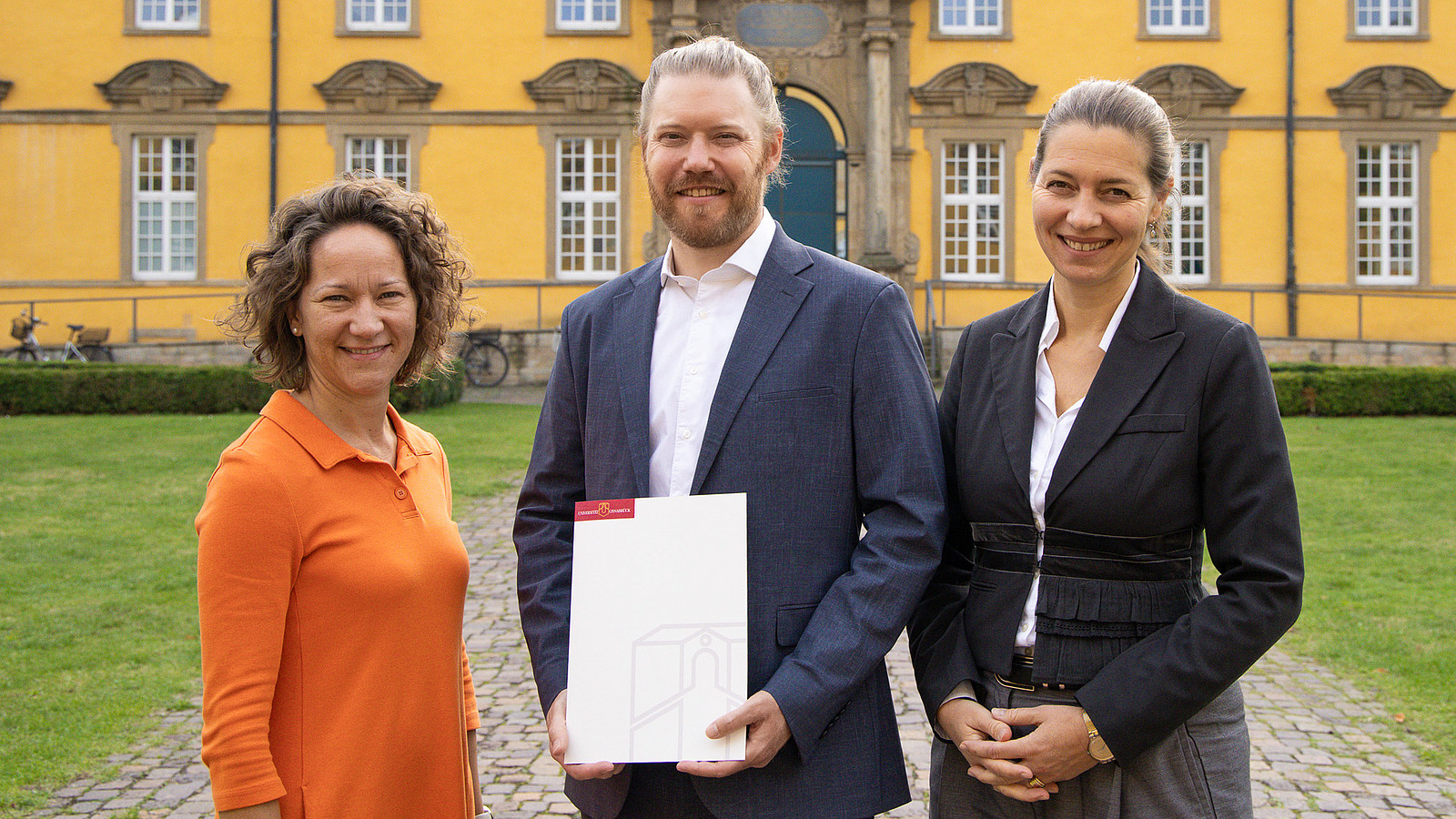
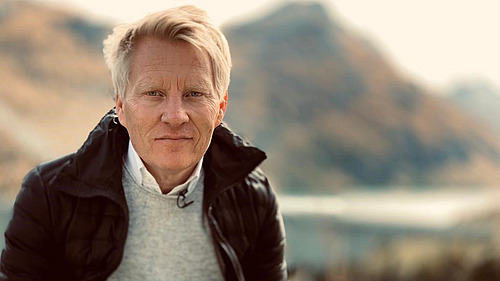
The systems scientist's research focuses on shaping positive visions of the future and implementing transformation pathways for a sustainable bioeconomy.
This strategically important professorship is intended to contribute to the systematic analysis and modeling of the complex interactions between technological innovations, ecological processes, and social requirements in sustainable bioeconomy.
Dr. Dr. Johannes Halbe studied civil engineering (Dipl.-Ing.) and economics (B.A. Econ.) at the University of Siegen. He then earned his doctorate in systems science at the University of Osnabrück and in bioresource engineering at McGill University in Canada. Most recently, he held the position of interim professor of resource management at the University of Osnabrück. He is an expert in the development and application of participatory modeling methods for analyzing complex socio-ecological systems. In his research, he integrates qualitative and quantitative methods to develop practical and sustainable solutions for real challenges and cross-scale transformation processes. His interdisciplinary research thus fits perfectly into the strategic development of the Leibniz Institute for Agricultural Engineering and Bioeconomy (ATB).
“The appointment of Dr. Dr. Halbe is a great gain for ATB and for the field of systemic bioeconomy research,” says Prof. Barbara Sturm, Scientific Director of ATB. “His expertise in system modeling will help us to better understand the complex interrelationships in the bioeconomy. In addition, his close ties to the University of Osnabrück will strengthen valuable synergies in research and teaching.“
Dr. Dr. Johannes Halbe is excited about his new role: ”I am very much looking forward to shaping this new professorship and filling it with life. The bioeconomy offers enormous potential for a more sustainable future, but its implementation is complex. My goal is to develop systemic approaches that enable stakeholders from politics, business, and civil society to make informed and sustainable decisions."