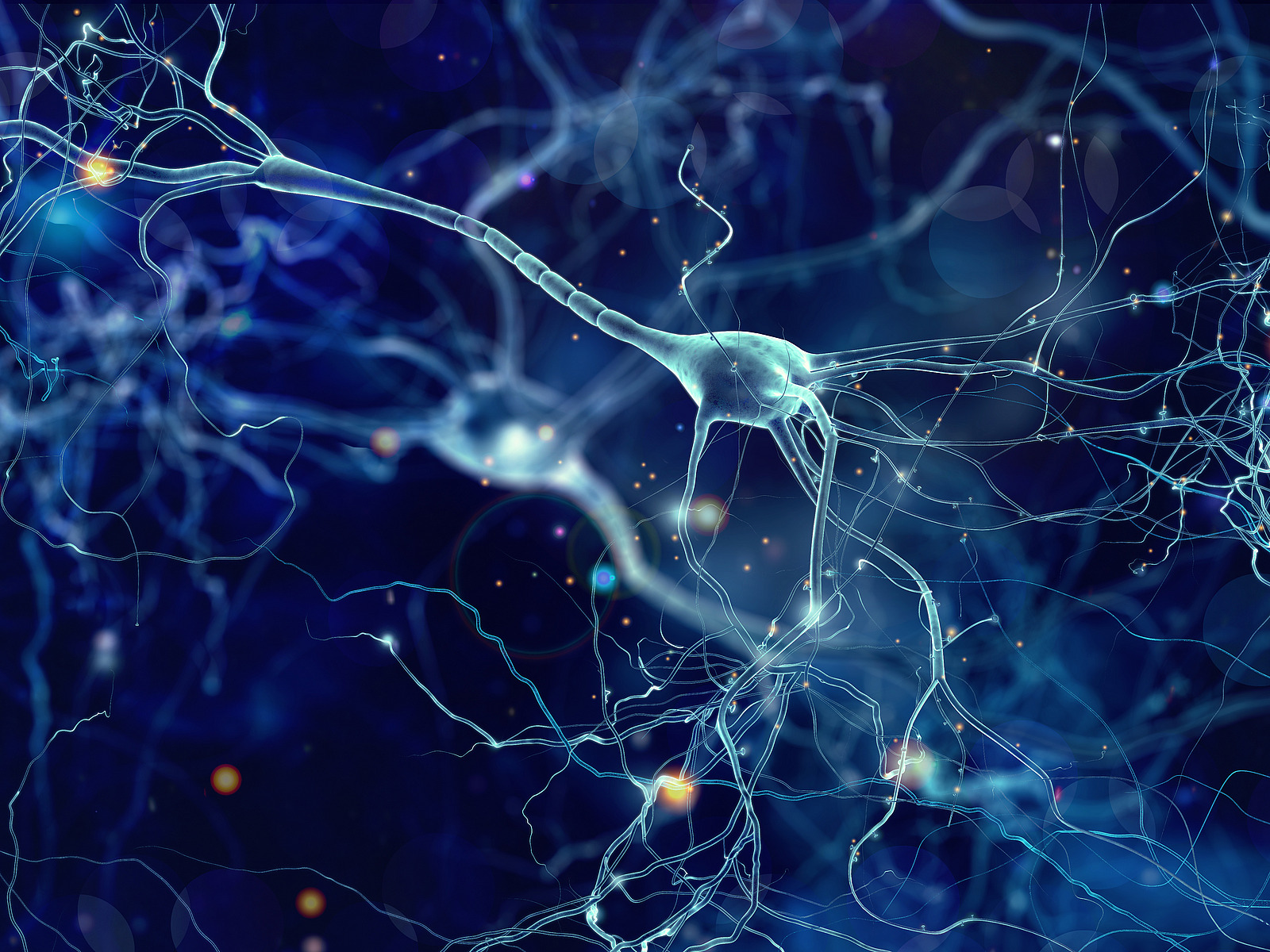
Neurodegenerative diseases are one of the major medical challenges of our time. A new research project at Osnabrück University is now focusing on tauopathies, which include Alzheimer's disease: Diseases in which an important protein called tau clumps together in the brain. These clumps disrupt the inner structure (the cytoskeleton) of the nerve cells and ultimately lead to their death.
"We assume that the small, soluble tau clumps, known as tau oligomers, are the main problem," says Prof. Dr. Roland Brandt, neurobiologist at Osnabrück University. Tau oligomers can spread from one cell to the next; their effect is amplified by other harmful substances such as the protein α-synuclein, which plays a role in Parkinson's disease, or by stress situations. "All of these factors appear to promote the formation of tau oligomers," says Brandt.
The scientists' approach is now to prevent the formation of these small tau clumps so that the normal tau protein can once again fulfill its function and the death of the nerve cells can be halted.
"We will investigate this by generating nerve cells from human stem cells that exhibit disease-relevant changes. Using specialized imaging and microscopy techniques developed in our laboratory, we will observe how tau oligomers are formed, what effects they have on the cells and how they spread from cell to cell," explains Prof. Dr. Roland Brandt. In addition, the research team wants to test whether the previously developed tau aggregation inhibitors - i.e. certain inhibitors - can reduce the amount of harmful tau oligomers.
"With our data, we want to create the basis for the development of new, targeted therapies that reduce tau aggregates and restore the normal function of the tau protein in the brain," says Brandt.
The project is funded by the German Research Foundation with around € 290,000 and will run for three years. The Osnabrück project team recently published a first article on the function of tau and its role in the disease process in the journal "Translational Psychiatry".
Further information for the media:
Prof. Dr. Roland Brandt, Osnabrück University
School of Biology/Chemistry
E-mail: robrandt@uni-osnabrueck.de