This long-term development was significantly stronger and more sustainable than the effects of the Ahr flood in 2021, according to a study by biologists from Osnabrück University and the Bonn Ornithological Consortium.
A team of ornithologists carried out the comparative study, which is based on mapping from 1984, 2020 and 2022. The results have now been published in the "European Journal of Ecology". Volunteers from the Bonn Ornithological Working Group at the Leibniz Institute for the Analysis of Biodiversity Change and scientists from Osnabrück University were involved.
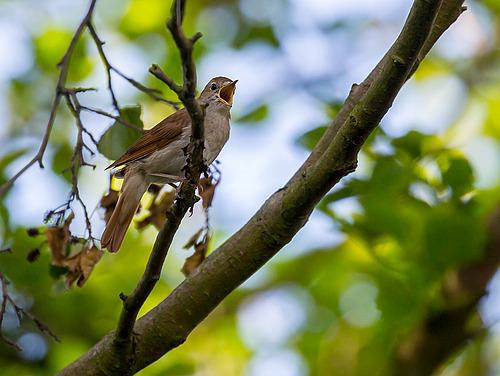
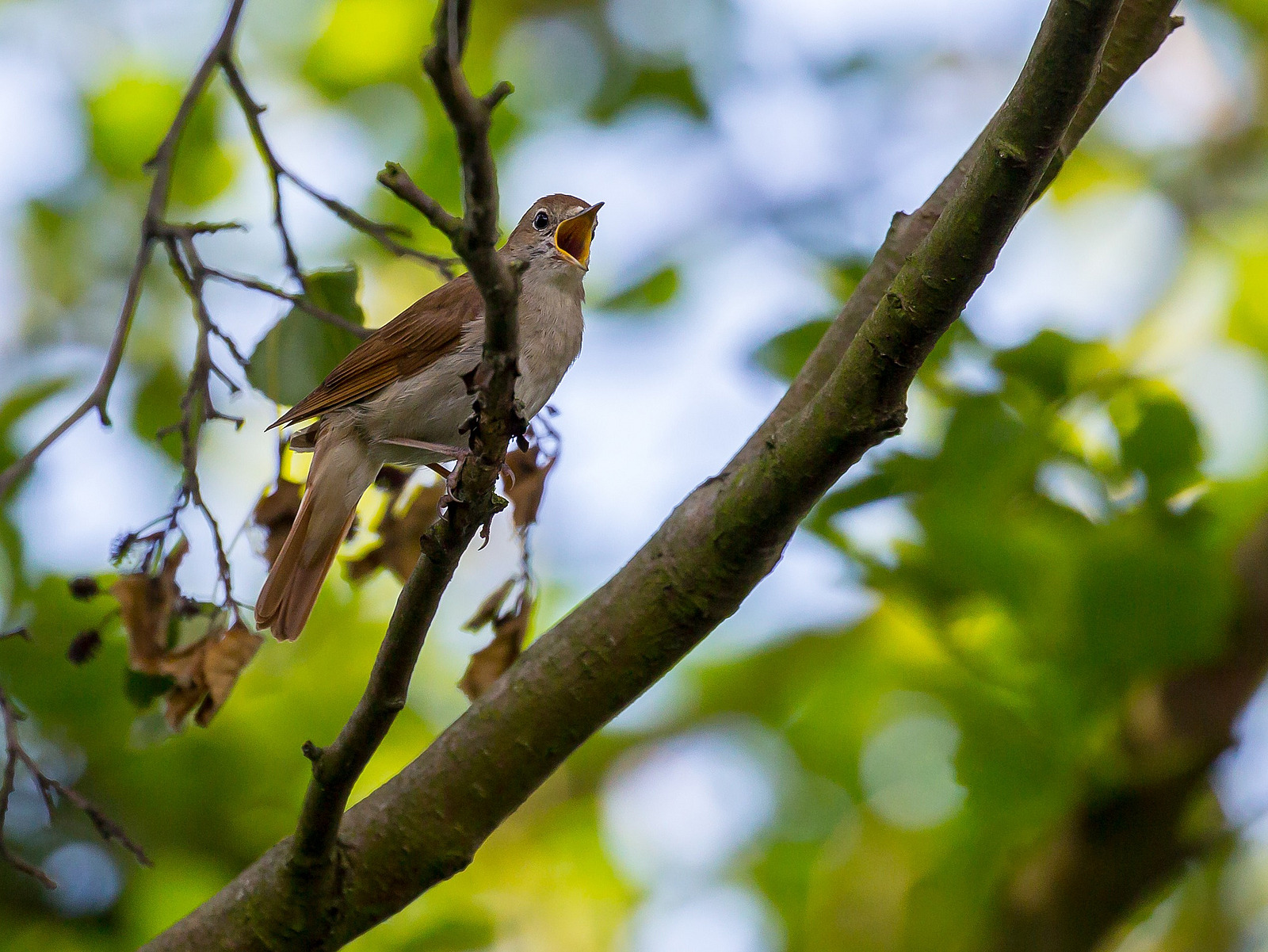
The primary aim of nature reserves is to protect and conserve local biodiversity. However, many protected areas lack historical data on species composition and abundance, which makes it difficult to assess the functionality of the areas. "In the case of the Ahrmündung nature reserve, we were in the fortunate and rare position of not only having data that was several decades old, but also data from a recent mapping exercise from 2020. We were then able to compare this data with our data from 2022," says Götz Ellwanger from the Bonn Ornithological Consortium. It turned out that although the development of a riverine riparian forest described in the management plan for the nature reserve has occurred, the development of the area for the needs of bird species that require more open habitats, which was called for at the same time, has not taken place. Since 1984, a strong increase in the populations of shrub and woodland species such as blackcap and chiffchaff and the establishment of a stable nightingale population have been observed, while open land species such as marsh warbler, goldfinch and tree sparrow have declined sharply or disappeared completely from the area.
"Originally, we had expected the Ahr flood of June 2021 to have a strong impact on birdlife at the mouth of the Ahr. However, this has hardly been observed," says PD Dr. Stefan Abrahamczyk from Osnabrück University. In the following year, the populations of individual undergrowth species were slightly reduced, but the long-term overall development of the nature reserve had a much greater impact than the individual catastrophic event.
The two mapping surveys in 2020 and 2022 also showed that the grasslands in the south and north-east of the nature reserve are hardly used by birds as breeding grounds, as they are still too dense and tall despite the cessation of fertilization and regular mowing, which is unsuitable for birds. These areas are also regularly walked on by people with dogs, so it can be assumed that the area is heavily disturbed. The biodiversity on these areas would most likely benefit significantly from extensive grazing, e.g. by water buffalo. This has already been proposed and discussed in the past, but was not pursued after the 2021 flood.
Publication: Ellwanger G., van der Geest O., Grimm J., Haubrich J., Stiels D., Abrahamczyk S. 2025 Long-term decline and homogenization of an avian community surpasses effects on bird diversity caused by a single extreme flood event. European Journal of Ecology: https: //doi.org/10.17161/eurojecol.v11i1.21879
Further information for editors:
PD Dr. Stefan Abrahamczyk, Osnabrück University
Botanischer Garten
stefan.abrahamczyk@uos.de